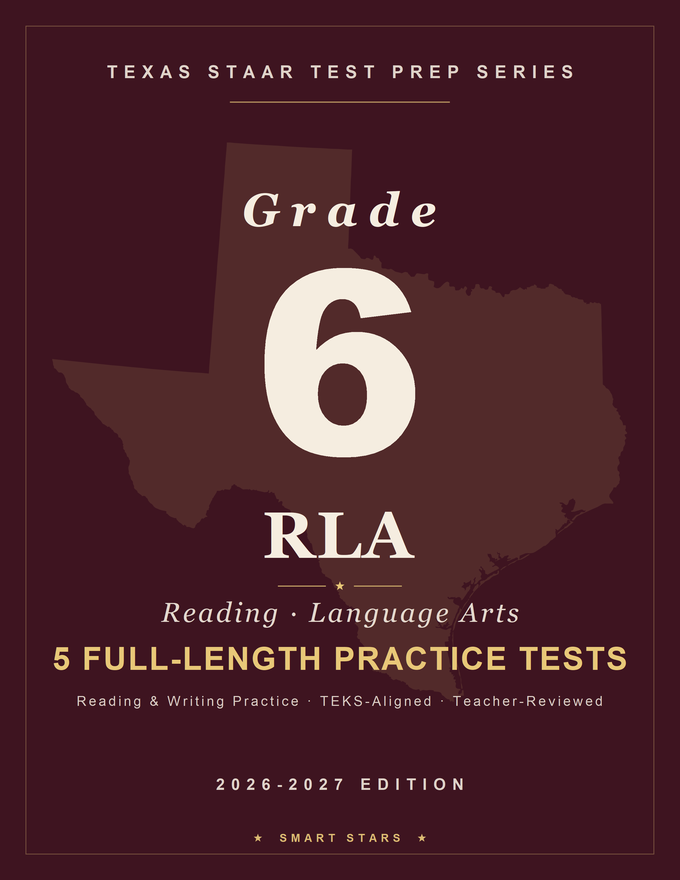
Give your sixth grader the confidence to succeed on the State of Texas Assessments of Academic Readiness (STAAR) Grade 6 Reading Language Arts test.
This book contains five full-length practice tests — 225 questions total — aligned to the Texas Essential Knowledge and Skills for Grade 6 Reading Language Arts and built to the shape of the real STAAR exam.
Take a look inside
- Length: a real Grade 6 form is 45 questions worth 56 points.
- Written response: most questions are worth one point, a few are worth two, and the extended written response is worth more than any other single item on the test.
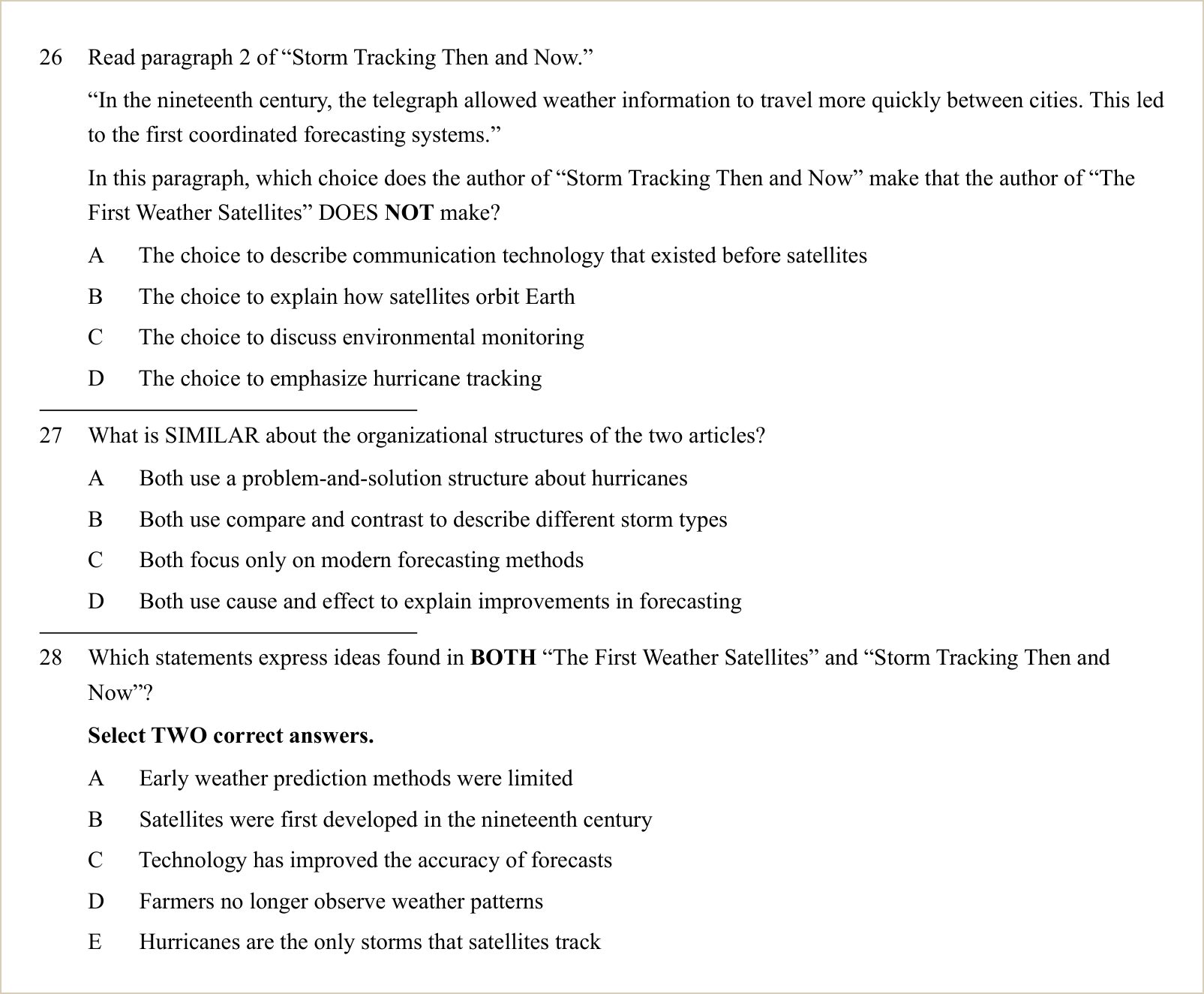
- Each practice test here: 45 questions in the real test’s order — reading selections first, then revising and editing.
Families who think of this as a reading test are often surprised by how much the writing counts.
Two things surprise families most about this test: Your student writes: beyond the multiple-choice questions, the real test asks for a short constructed response — a few sentences answering a question from the text — and an extended constructed response, a full piece of writing built on a passage.
And the passages cannot be read aloud to a student, even as an accommodation, because the test measures reading rather than listening. This book is built for both: every test includes a short constructed response with ruled space and a sample answer, three of the five include an extended one, and every passage is on the page for your student to read.
What’s inside
- 5 complete 45-question practice tests (225 questions total), each in the real test’s order
- Reading selections of the kinds the real test uses: stories, poems, and paired informational articles read together, followed by student drafts to revise and edit
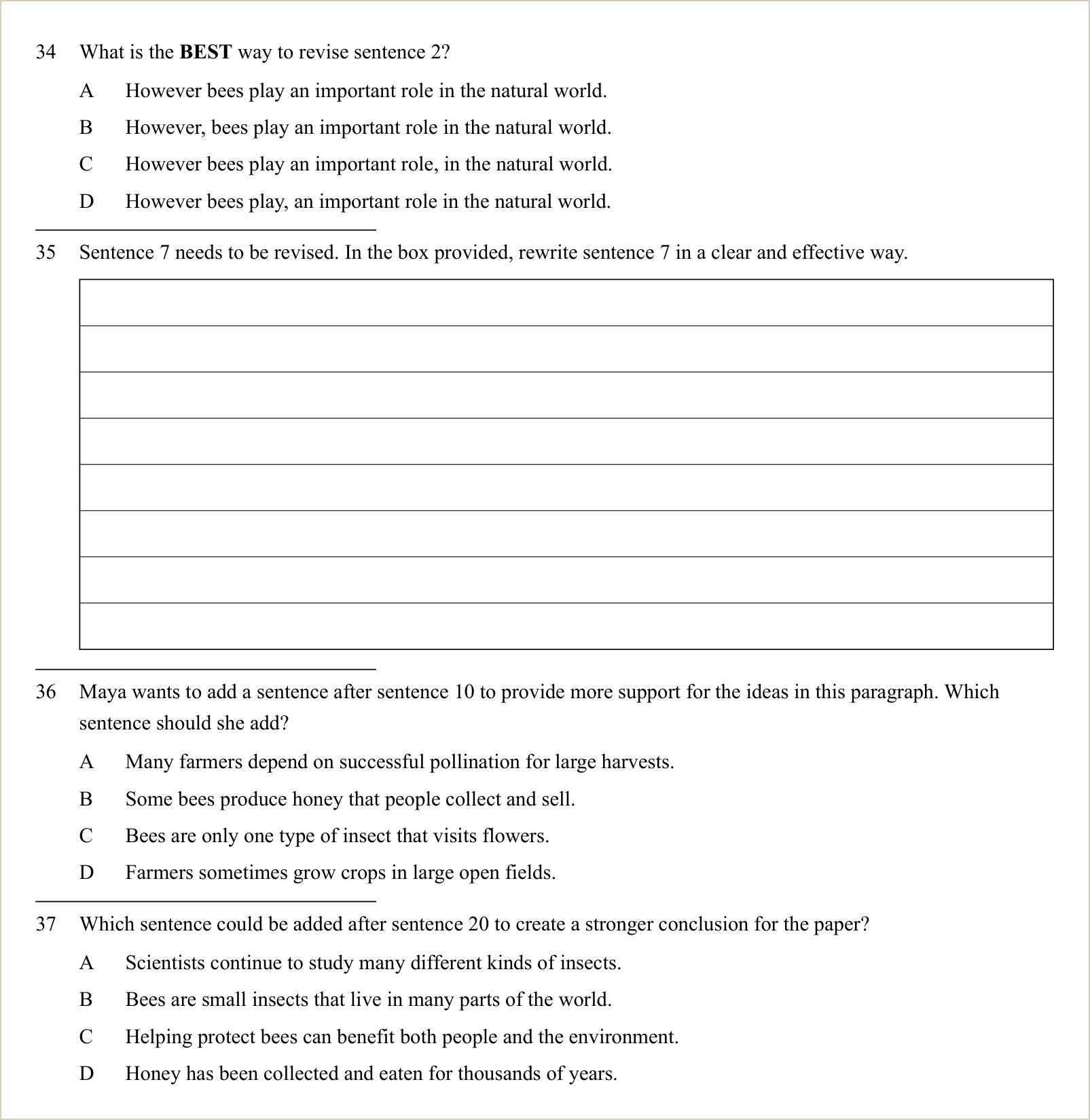
- Every question style on the real test, rendered for paper: multiple choice, two-part questions where Part A asks what a passage means and Part B asks which line proves it, questions that ask for two correct answers, and the written responses — with no bubble sheet, so students mark directly on the page as they will online
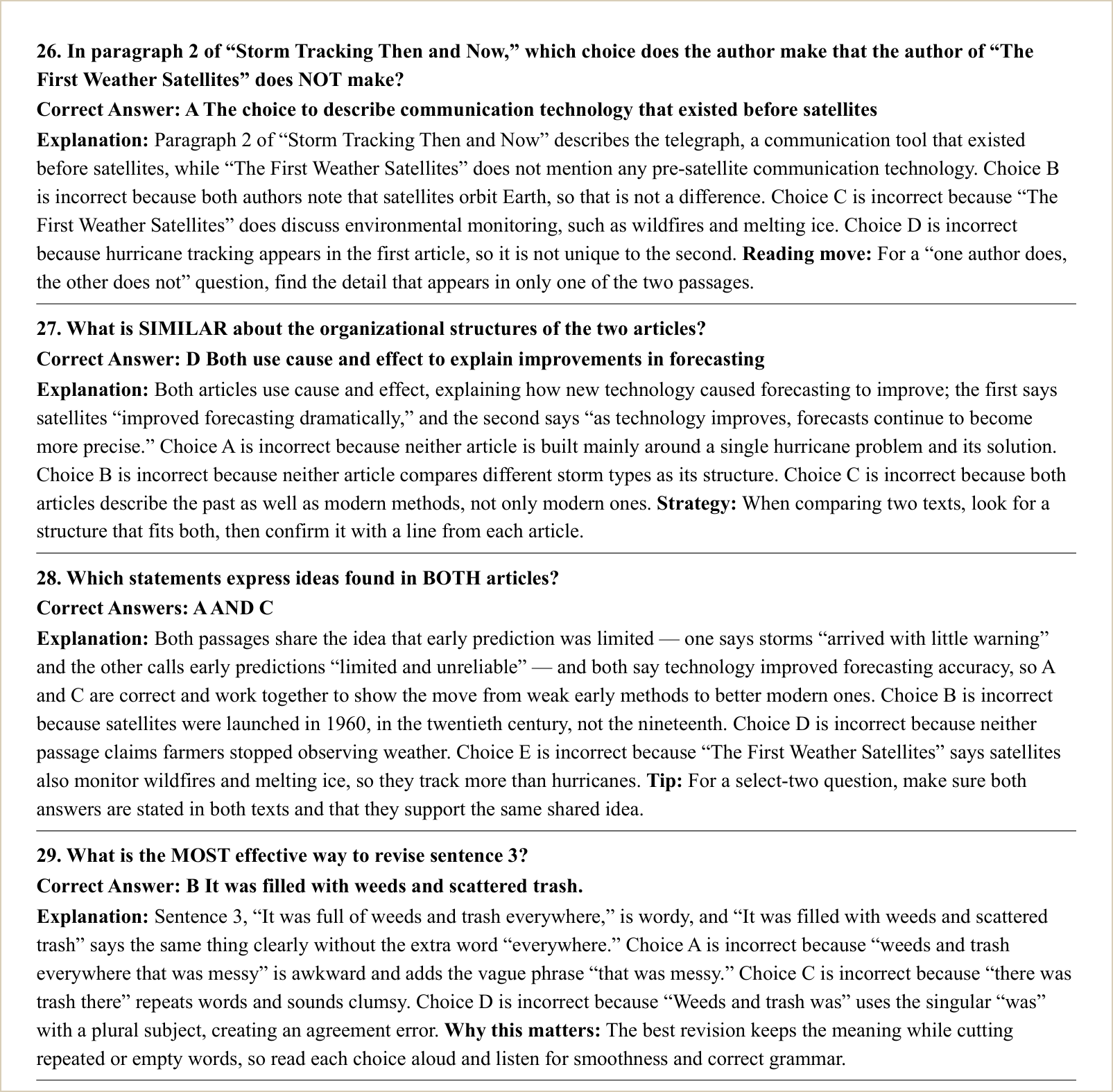
- Detailed answer explanations for every question: the words in the passage that settle the answer, why each of the other choices is wrong — because on a reading test the wrong answers are where the learning is — and a labeled note on every one: a Strategy, a Tip, a Reading move, a Big idea, a Genre note, or Why this matters
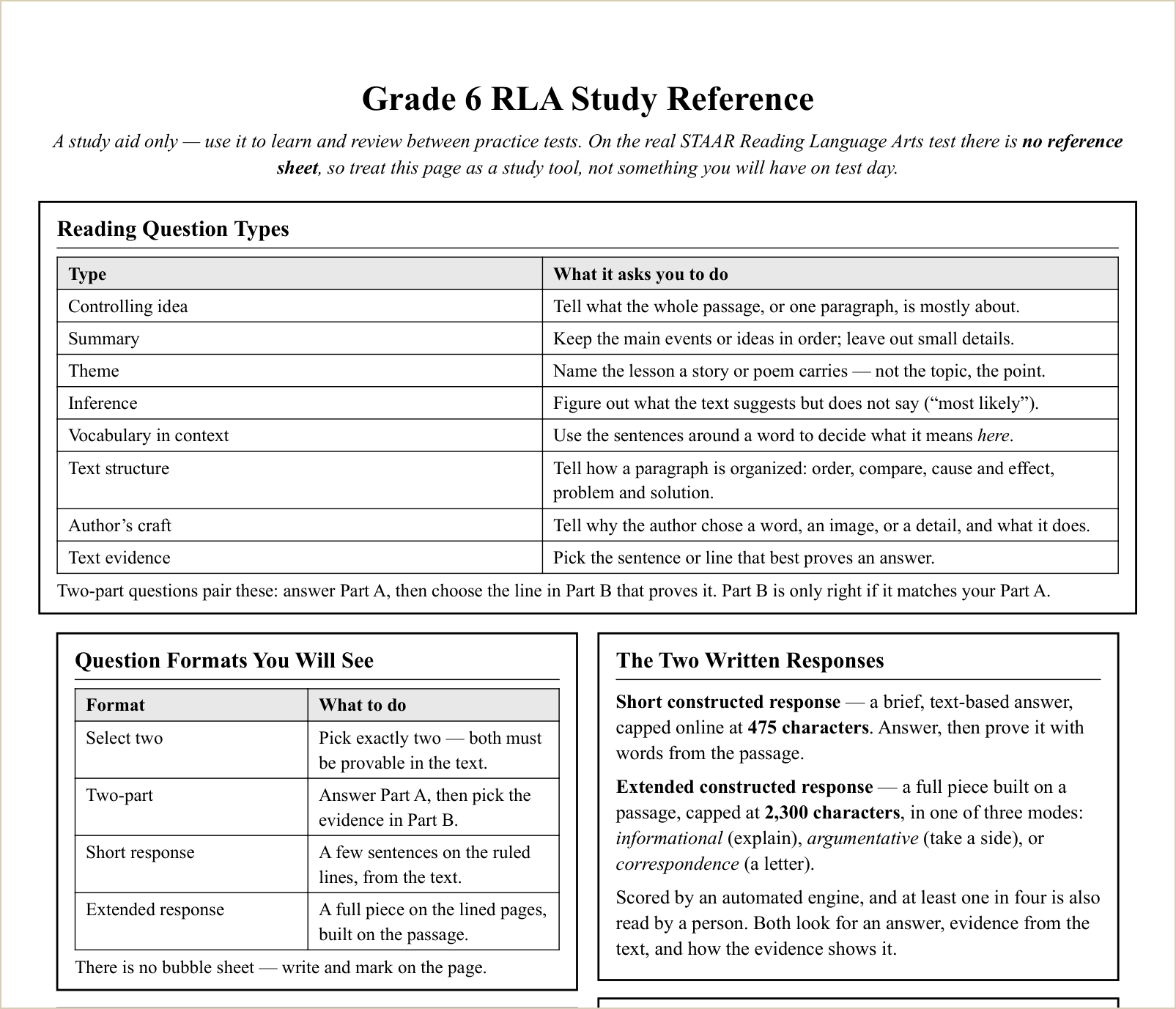
- A one-page Study Reference — the kinds of reading question, the two written responses and what scorers look for, the revising and editing skills, and the reading terms a sixth grader should know — study material the real test does not provide, and the page says so
- A parent letter on the test’s shape, its two reporting categories, the two written responses and how they are scored, what each performance level means in Texas’s own words, and why the book does not print a “percent to pass”
- A quick-reference answer key for all five tests for fast scoring
Topics covered
- Controlling idea and summary — what a whole passage, or one paragraph, is mostly about
- Theme — the lesson a story or poem carries, not just its topic
- Inference — what the text suggests but does not say
- Vocabulary in context, from the sentences around the word
- Text structure — order, compare and contrast, cause and effect, problem and solution
- Author’s craft — why the author chose a word, an image, or a detail, and what it does
- Text evidence — the sentence or line that best proves an answer
- Character, the speaker’s changing view in a poem, and what an image is doing
- Paired informational articles — what both texts say about one topic
- Revising a draft — a supporting sentence, the best transition, an off-topic sentence removed, a stronger closing
- Editing — capitalization, commas after introductions and around interrupters, apostrophes, subject-verb agreement, consistent tense
- Short and extended written responses built on a passage
Why parents and teachers choose Smart Stars
- Written by experienced educators who study Texas’s official blueprint, released test forms, and scoring guides
- Every question mirrors what students will see on test day — no surprises in format, content, or rigor
- Explanations teach the “why,” not just the “what,” so students learn from every mistake
- Passages, topics, and question types varied across the five tests — every selection is new
- Built to the real test’s shape, including the written responses students most often meet for the first time on test day